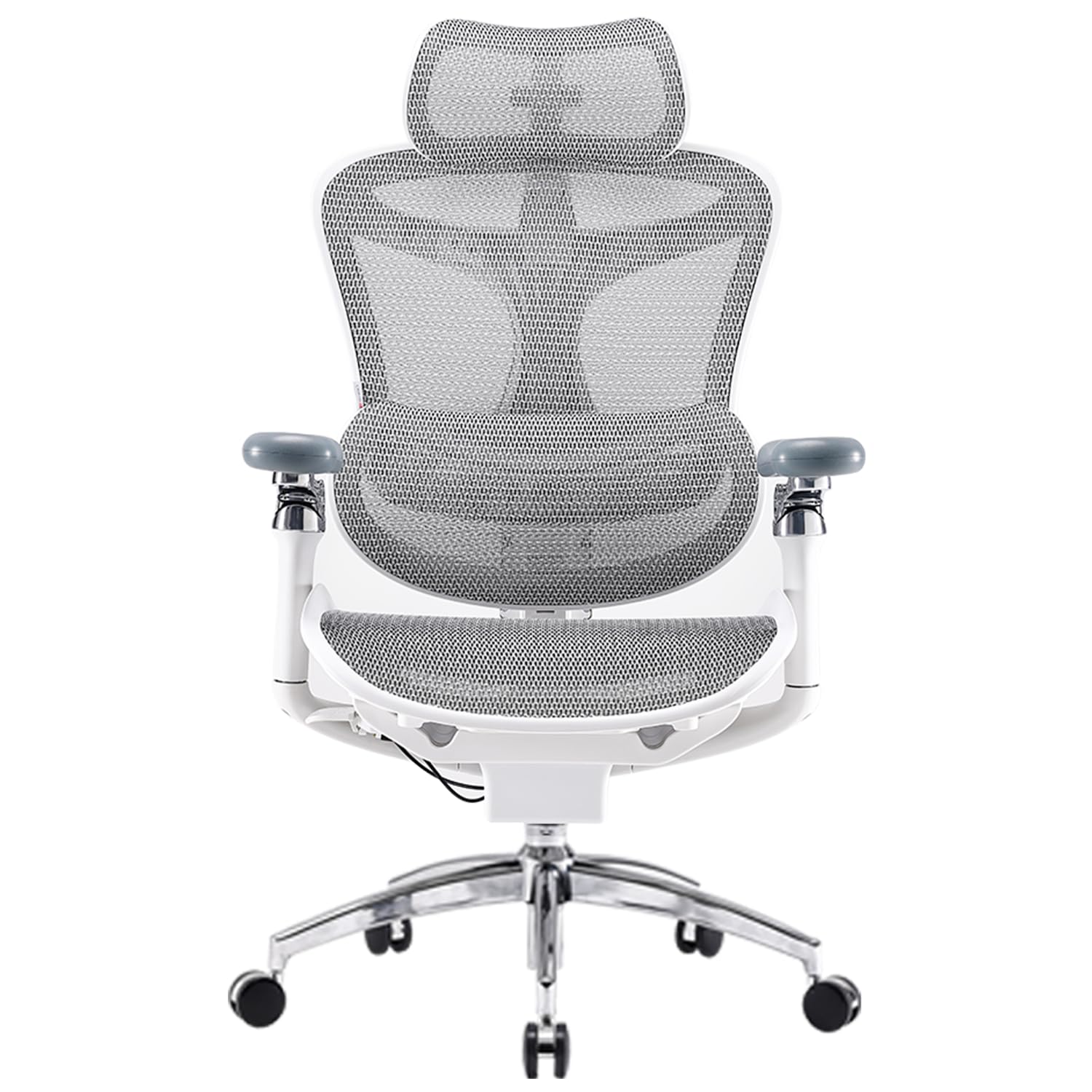
The SIHOO Doro C300 Pro is an ergonomic office chair built around movement: its lumbar support tracks posture, its backrest flexes as you shift, and its armrests adjust across multiple directions.
This sihoo doro c300 pro review looks at who can make the most of that flexibility and which fit details are worth checking first.
Doro C300 Pro Review Summary
The quick verdict
1,000+ ratings
Read Amazon ReviewsSIHOO Doro C300 Pro
A strong fit for taller desk users who want responsive lumbar support, extensive armrest adjustment, and several recline positions.
- Adaptive dynamic lumbar support is designed to move with the sitter as posture changes.
- Soft 6D armrests adjust in five directions and move in coordination with the backrest while reclining.
- Seat depth adjusts, and the seat is described as wider than the standard design in the range.
- The chair reclines to 105, 120, and 135 degrees, with a weight-sensing mechanism intended to balance reclining resistance.

Pros
- Adaptive lumbar support is designed to stay engaged as the sitter shifts between upright and reclined positions.
- The 6D armrests offer more positioning flexibility than basic fixed or height-only arms.
Consider before buying
- The supplied dimensions do not specify seat width, seat depth range, or a recommended user height, so buyers should confirm that the fit works for their body.
- There are many adjustments to configure; buyers who want a simple chair with few settings may find this feature-rich design more involved than they need.
Read the full review summary
The Doro C300 Pro brings together several adjustments that are useful over a full workday: a movable lumbar support, seat depth adjustment, a height-adjustable backrest, and soft 6D armrests that coordinate with the recline.
Its mesh construction and three recline positions also make it easier to shift between focused desk work and leaning back for a break.
Its broader seat and adjustable depth make it a particularly interesting option for taller users, though the supplied description does not give a recommended height range or seat measurements.
Treat the extensive adjustment as a chance to tune the chair to your body, then confirm the seat and arm positions at your own desk before deciding whether its feature set fits your routine.
The buying factors
Doro C300 Pro Scorecard
Editorial scores reflect listed features and buyer fit; they are not laboratory measurements or customer ratings.
Lumbar support
Adaptive support is designed to move with the sitter, which can suit people who change posture frequently.
Armrest flexibility
The soft 6D armrests adjust in five directions and coordinate with the backrest during recline.
Fit adjustment
Seat depth and backrest height adjustment offer useful ways to tailor the fit, although exact seat dimensions are not provided.
Recline options
Three positions, up to 135 degrees, give the chair a clear range for working and resting.
Breathability
Fully breathable mesh is a practical choice for buyers who prefer airflow through the back and seat.
Build assurance
The product description lists REACH, EN1335, TÜV, SGS BIFMA, and a three-year parts commitment.
Key Features and Specifications of Doro C300 Pro
- Adaptive dynamic lumbar support is designed to move with the sitter as posture changes.
- Soft 6D armrests adjust in five directions and move in coordination with the backrest while reclining.
- Seat depth adjusts, and the seat is described as wider than the standard design in the range.
- The chair reclines to 105, 120, and 135 degrees, with a weight-sensing mechanism intended to balance reclining resistance.
- The backrest has four positions and can move vertically by 2.36 inches; its flexible frame is designed to follow side-to-side upper-body movement.
- A 3D adjustable headrest and fully breathable mesh complete the main contact and ventilation features.
- The product description lists several standards and certifications, and free replacement parts during a three-year warranty period.
Pros and Cons of Doro C300 Pro
Pros
- Adaptive lumbar support is designed to stay engaged as the sitter shifts between upright and reclined positions.
- The 6D armrests offer more positioning flexibility than basic fixed or height-only arms.
- Seat depth and backrest height adjustments can help accommodate different leg and torso proportions.
- Three recline stops allow a distinct change in posture for breaks without leaving the chair.
- The mesh design and listed standards give buyers concrete construction and compliance details to weigh.
Consider before buying
- The supplied dimensions do not specify seat width, seat depth range, or a recommended user height, so buyers should confirm that the fit works for their body.
- There are many adjustments to configure; buyers who want a simple chair with few settings may find this feature-rich design more involved than they need.
- The listed backrest height adjustment returns to its lowest position when raised to the highest setting, so consider whether that behavior suits your preferred setup.
Who Should Buy Doro C300 Pro?
Good fit
Consider the Doro C300 Pro if you spend long stretches at a desk and tend to change posture throughout the day.
The moving lumbar support, flexible backrest, and three recline positions are aimed at a chair that responds to those shifts rather than holding one fixed sitting posture.
The broad mesh design also suits buyers who want airflow across the chair.
It is especially worth comparing against your own measurements if you are taller or often struggle with seat depth.
Before buying, check that the backrest range, armrest positions, and seat proportions can align with your desk and body; the product description gives adjustment details but not a full fit chart.
The three-year replacement-parts commitment may also matter if long-term service support is part of your decision.
Who should skip it
Skip this model if you prefer a straightforward chair with minimal adjustments, or if your decision depends on exact seat dimensions and a published height range that you can compare before purchase.
In that case, verify the fit details first or choose a model with dimensions that match your setup.
How the Doro C300 Pro’s Adjustments Work Together
Support that follows posture
The lumbar support is described as adaptive and dynamic, while the backrest flexes with side-to-side movement. Together, these features are intended to keep contact as you move between upright work and leaning back.
That design is most relevant to people who shift often; it does not replace checking whether the lumbar area meets your lower back at the right height.
Armrests for more than typing
The 6D arms adjust in five directions and coordinate with the recline. That gives buyers more ways to position their elbows for desk work, gaming, or resting, though the useful settings depend on desk height and shoulder width.
Take time to align them with your working posture rather than treating more adjustment as automatically better.
Fit for different proportions
Seat depth adjustment can help tailor the space between the front of the seat and the backrest, while the backrest moves up or down by 2.36 inches and offers four positions.
These are practical options for matching the chair to leg and torso length. Since no seat dimensions or user-height range are given, taller buyers should verify the actual fit before committing.
Reclining and listed assurance
The three recline stops span 105 to 135 degrees, and the weight-sensing mechanism is intended to make reclining feel balanced for different users.
The description also lists REACH and EN1335 compliance, German TÜV certification, SGS BIFMA compliance, and an SGS-certified four-stage pneumatic lift.
Those credentials can inform a durability and standards comparison, while the three-year parts commitment adds a clear support period.
Alternatives to Doro C300 Pro
Home Office Desk Chairs alternative
17,000+ ratings
Read Amazon ReviewsSIHOO B300 Pro
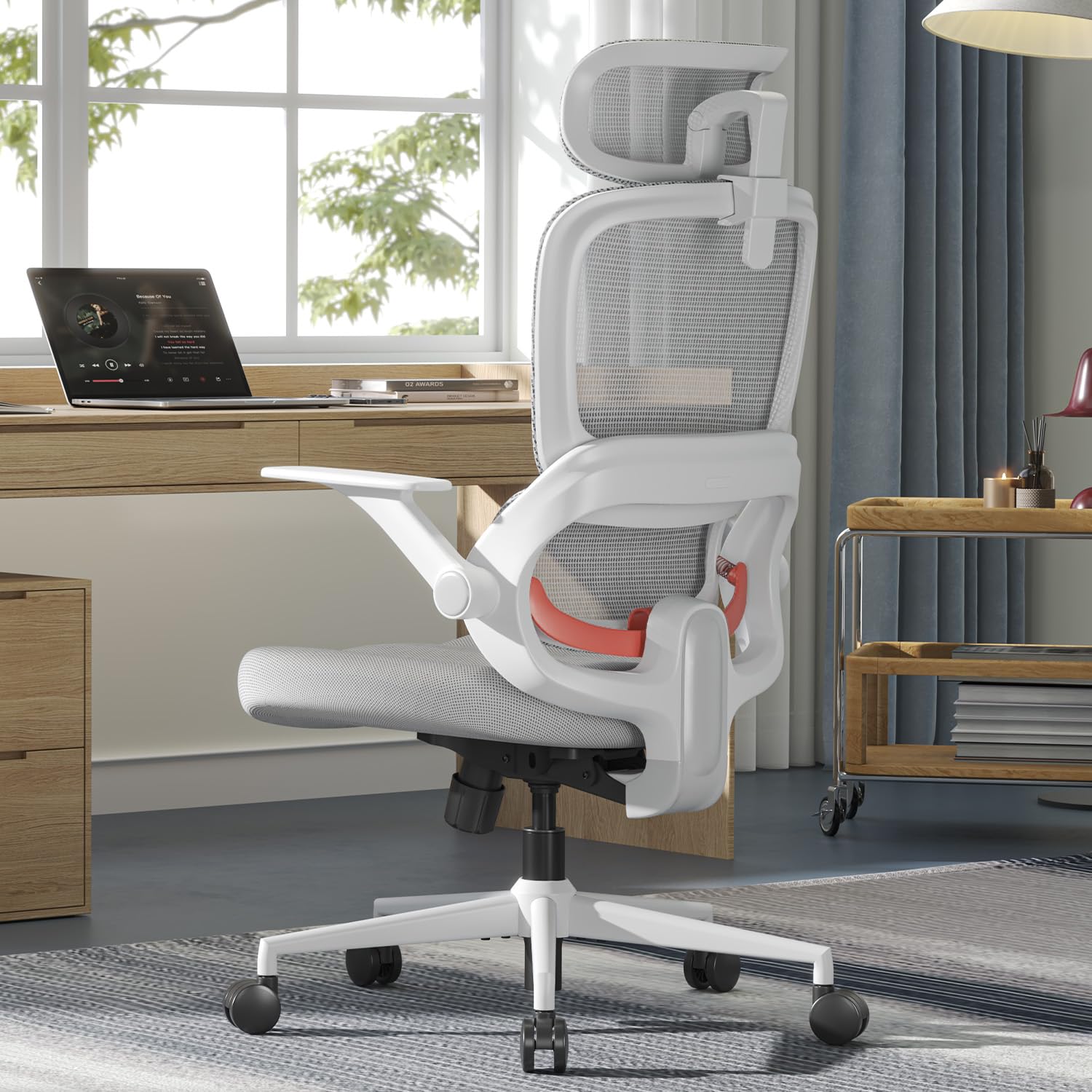
Compare the B300 Pro if independent backrest height tuning and a more specifically adjustable lumbar system are priorities.
The Doro C300 Pro remains a relevant choice when its combination of backrest movement and three stated recline positions better suits your preferences.
- The B300 Pro adds independently height-adjustable back support and describes a spring-assisted four-way lumbar system; it also has adjustable seat depth, weight-sensing recline, a 3D headrest, and 6D armrests.
- The Doro C300 Pro combines adaptive lumbar support, seat depth adjustment, 6D armrests, and three recline positions.
Home Office Desk Chairs alternative
17,000+ ratings
Read Amazon ReviewsSIHOO B100 Pro
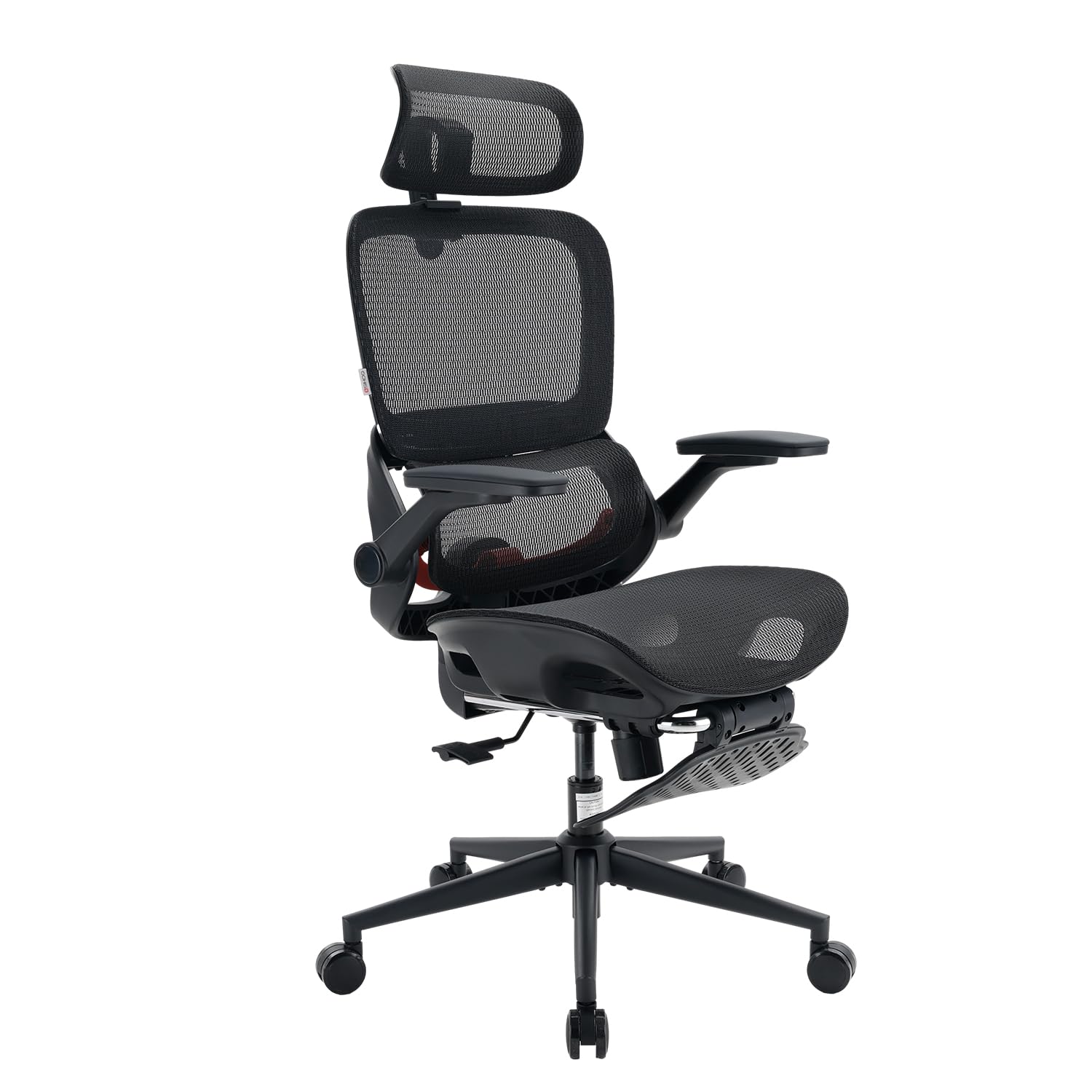
Choose the B100 Pro for a chair that includes a footrest for stretching out during breaks. Consider the Doro C300 Pro if adaptive support and more armrest adjustment are more useful to your everyday desk routine.
- The B100 Pro includes a retractable footrest, 4D armrests, three recline angles, and a widened cushioned seat with a wide 3D headrest.
- The Doro C300 Pro emphasizes seat depth adjustment, a flexible backrest, and armrests that coordinate with reclining.
Is Doro C300 Pro Worth It?
The SIHOO Doro C300 Pro is worth considering if you want a highly adjustable mesh office chair with adaptive lumbar support, seat depth tuning, and flexible armrests.
Its feature set is particularly relevant to taller users and people who regularly shift posture, but the lack of published seat measurements in the supplied description makes checking fit an important step.
For buyers whose body and desk setup suit its adjustment range, the Doro C300 Pro offers a thoughtful mix of workday support and recline flexibility.
If your priority is a simpler chair or a verified dimensional match, compare the fit information carefully before choosing.
Your review at a glance
1,000+ ratings
Read Amazon ReviewsSIHOO Doro C300 Pro
A strong fit for taller desk users who want responsive lumbar support, extensive armrest adjustment, and several recline positions.
- Adaptive dynamic lumbar support is designed to move with the sitter as posture changes.
- Soft 6D armrests adjust in five directions and move in coordination with the backrest while reclining.
- Seat depth adjusts, and the seat is described as wider than the standard design in the range.
- The chair reclines to 105, 120, and 135 degrees, with a weight-sensing mechanism intended to balance reclining resistance.