The best microphones for video calls make your voice easier to hear and give you practical control over muting and monitoring. Choose a simple desktop USB model for quick meetings, or an adjustable boom arm and USB/XLR connection if calls share space with streaming or recording.
Quick Top Products
FIFINE K683A USB Desktop Microphone
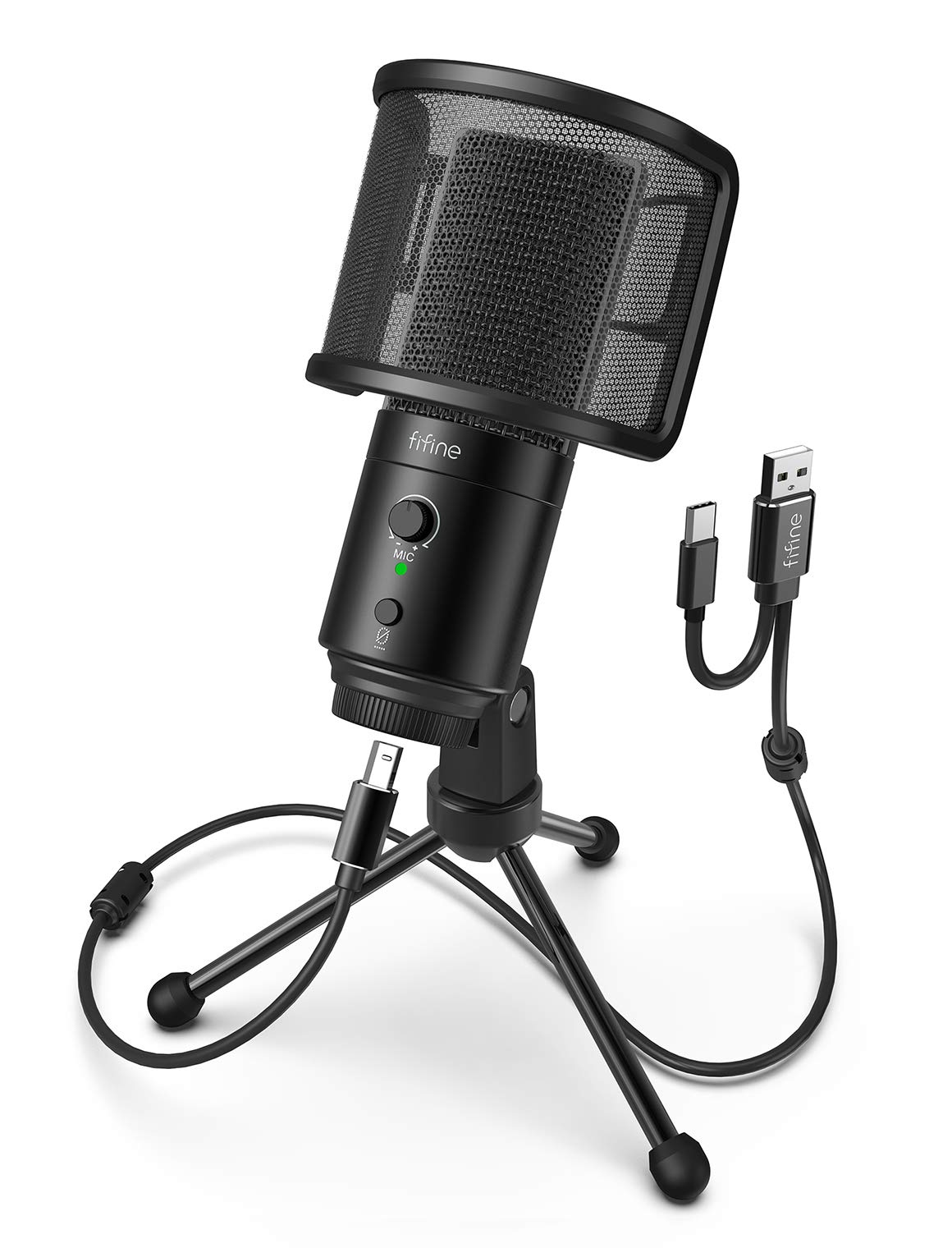
- Gain knob and instant mute give you direct control during calls.
- Monitor your voice through the 3.5mm headphone jack.
- Includes a foldable tripod and detachable pop filter.
Best For: People who want a desk microphone with an easy mute button and headphone monitoring for meetings.

MAONO PD400X Dynamic Microphone
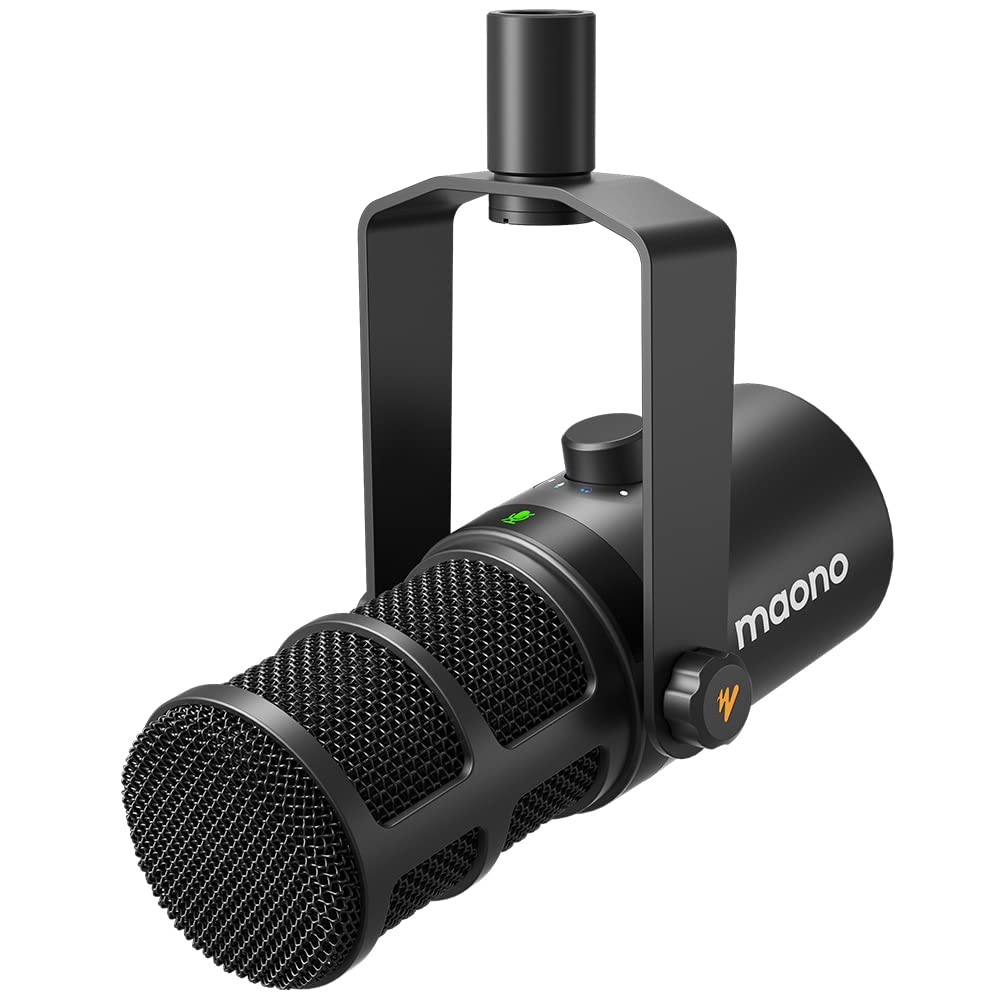
- USB and XLR outputs support direct computer use or audio gear.
- The digital knob covers gain, headphone volume and monitor mix.
- MAONO Link offers EQ, limiter and compressor controls.
Best For: Callers who want USB simplicity now and audio adjustment options for later recording.
MAONO DGM20 USB Gaming Microphone
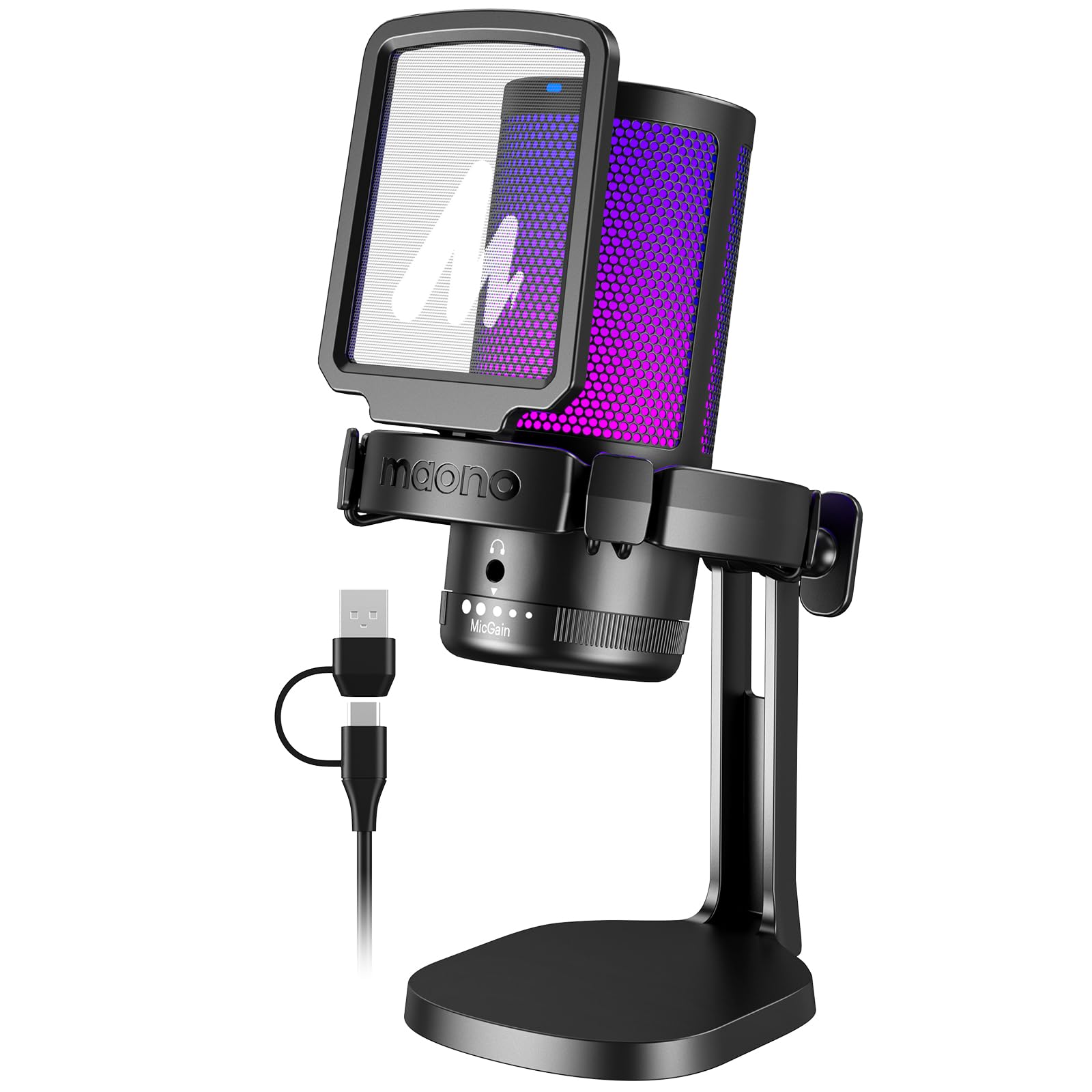
- A one-key noise-cancellation function and Windows software are included.
- Mute, gain and headphone monitoring controls are built in.
- The included cable supports USB and USB-C connections.
Best For: Windows callers seeking a desktop USB mic with a dedicated noise-cancellation function.
Samson Q9U Broadcast Microphone
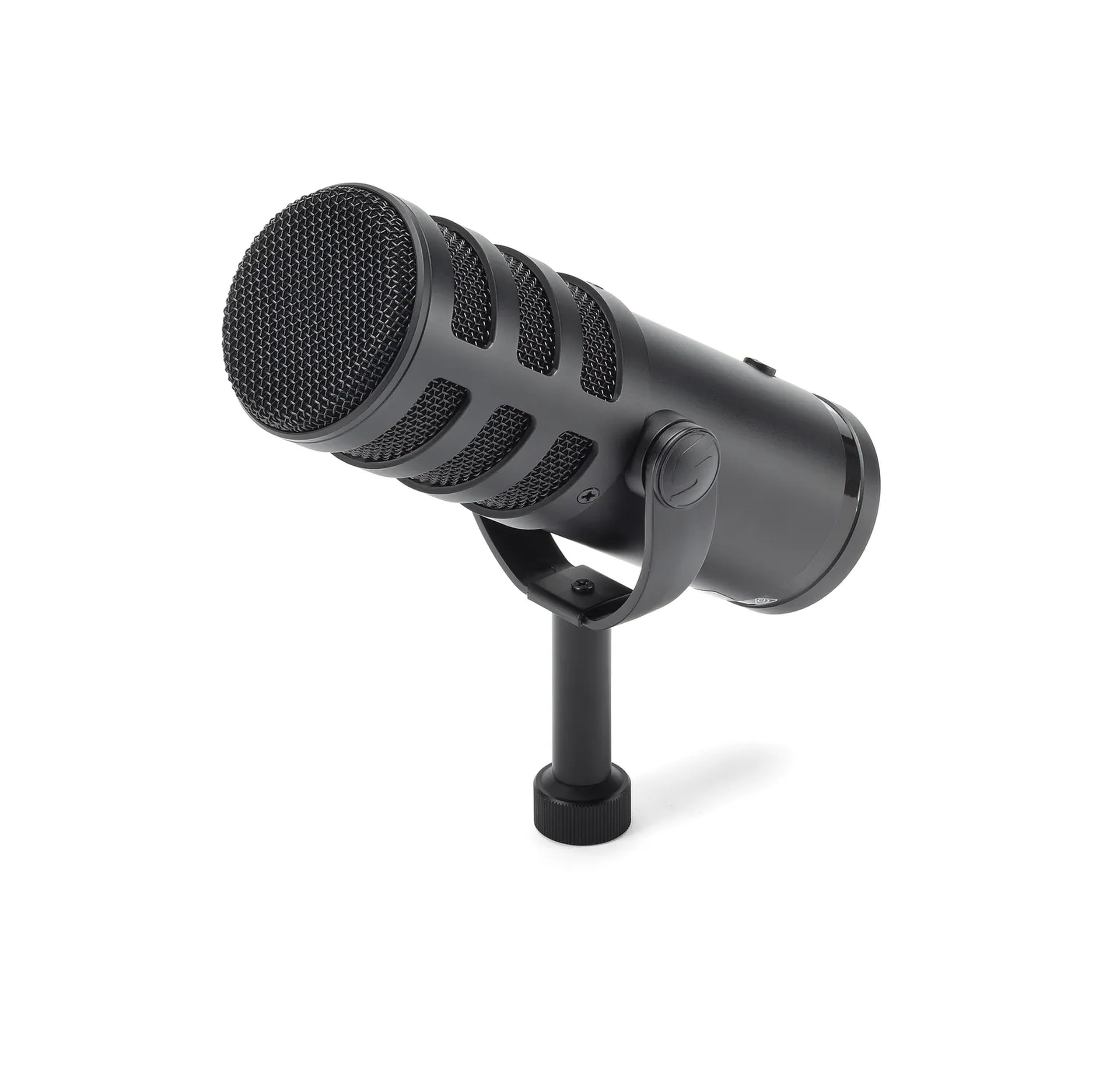
- USB-C and XLR let it connect to computers and audio equipment.
- It has zero-latency headphone monitoring and a mute switch.
- A cardioid pattern minimizes ambient pickup.
Best For: Frequent callers who want a broadcast-style dynamic mic with both USB-C and XLR connections.
Samson Meteor Mic
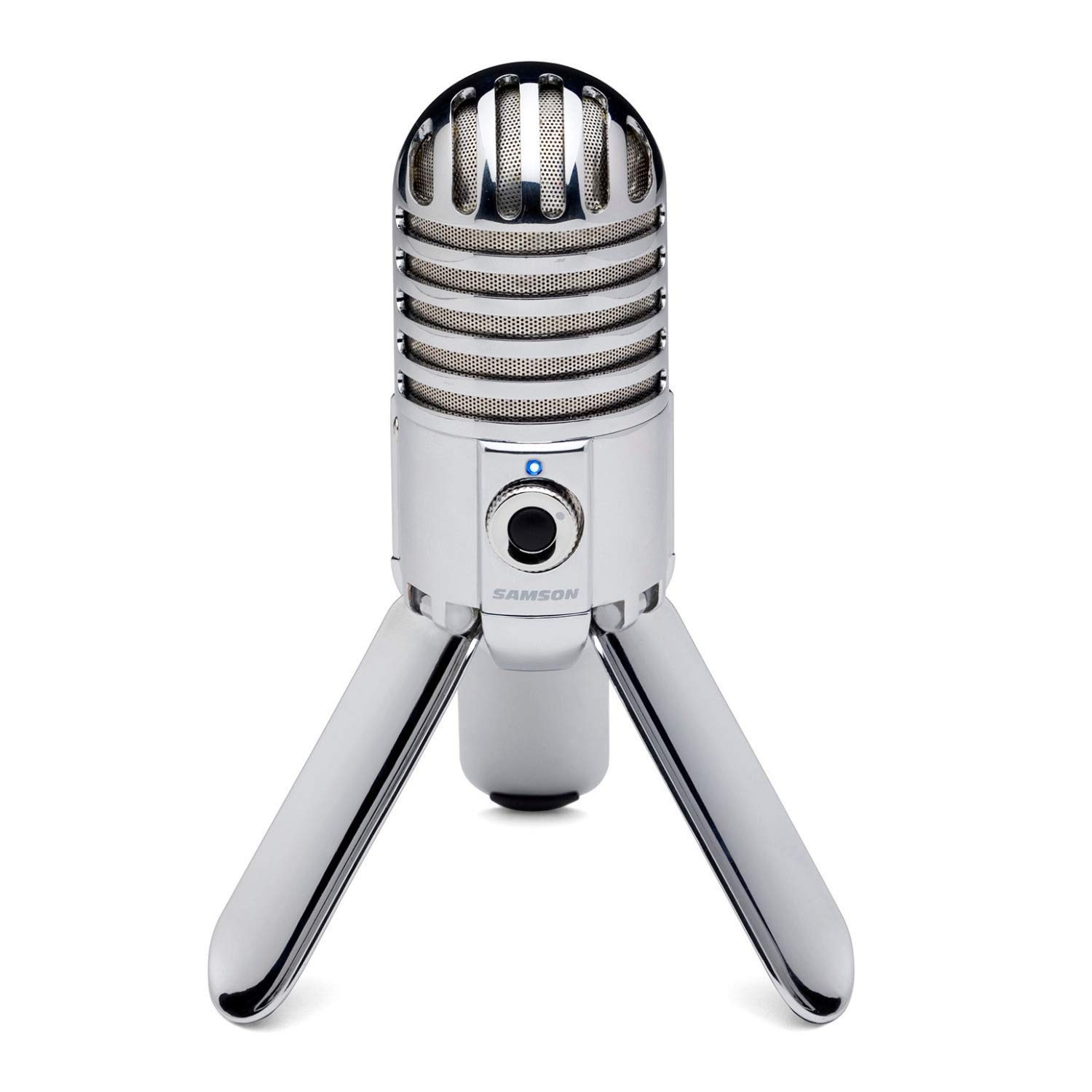
- Fold-back legs make the mic easier to position and transport.
- A cardioid pattern focuses pickup toward the front.
- The headphone output supports zero-latency monitoring.
Best For: People who want a portable USB condenser microphone with built-in headphone monitoring.
FIFINE K658 USB Dynamic Microphone
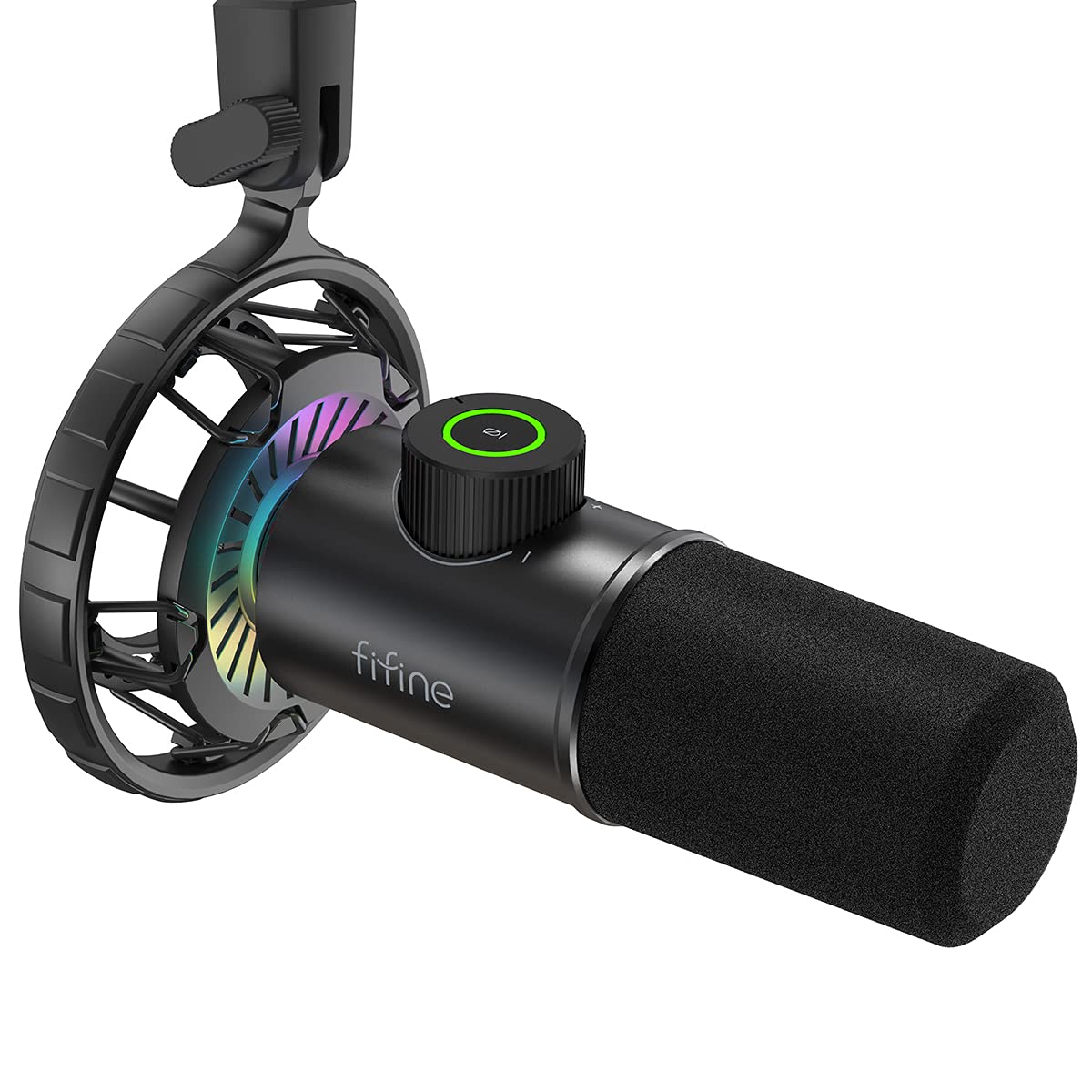
- Tap-to-mute includes an LED indicator for mute status.
- The gain knob and headphone jack provide direct control and monitoring.
- The recommended recording distance is 2 to 4 inches.
Best For: Callers who can speak close to the microphone and want mute, gain and headphone controls.
FIFINE AmpliGame AM8T
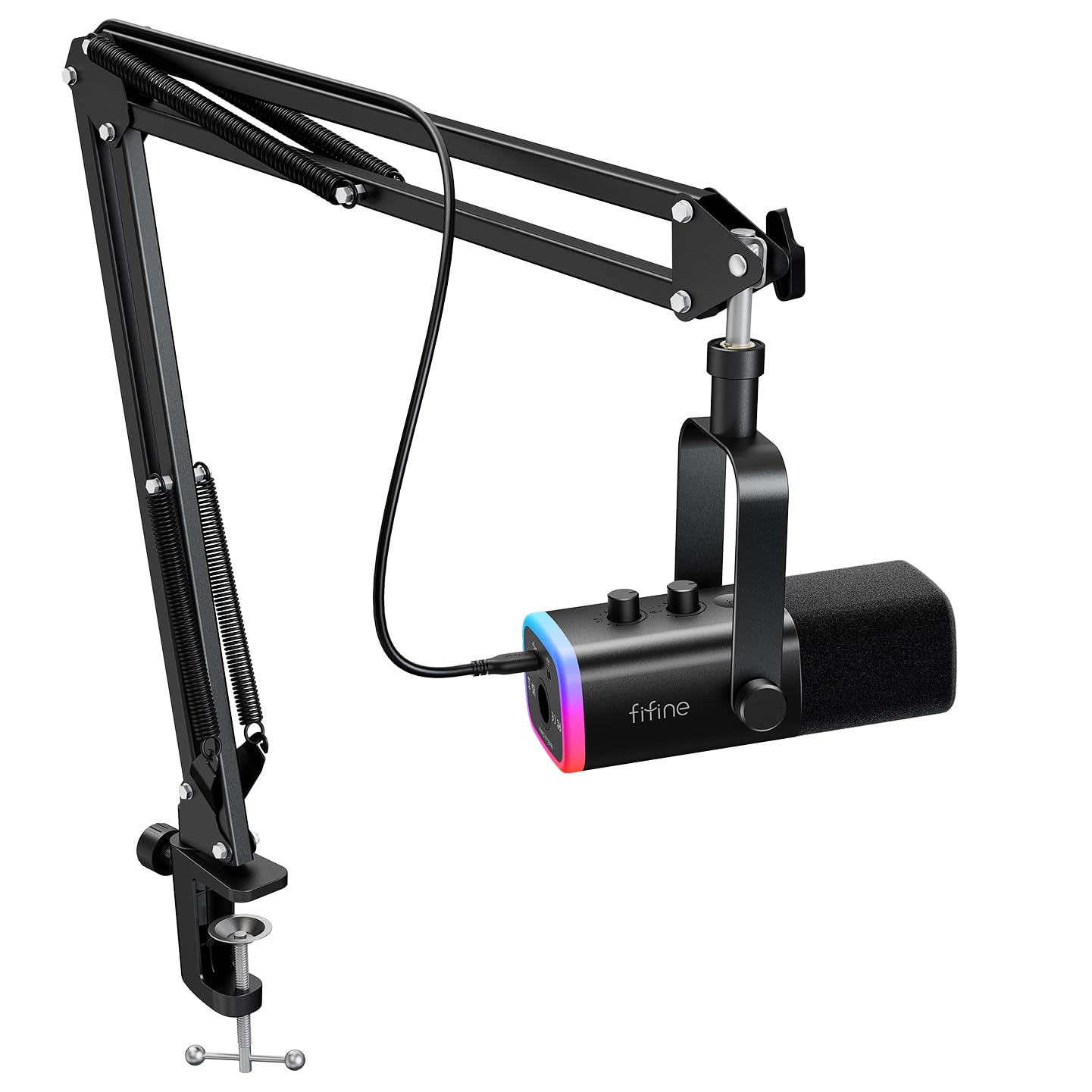
- USB is plug and play, while XLR supports mixer or sound card connection.
- The included dynamic microphone has USB and XLR connectivity, and the set includes a boom arm stand.
- The desk clamp fits desktops under 2 inches thick.
Best For: Callers who want to move the mic off the desk and retain a future XLR connection option.
FIFINE AmpliTank K688
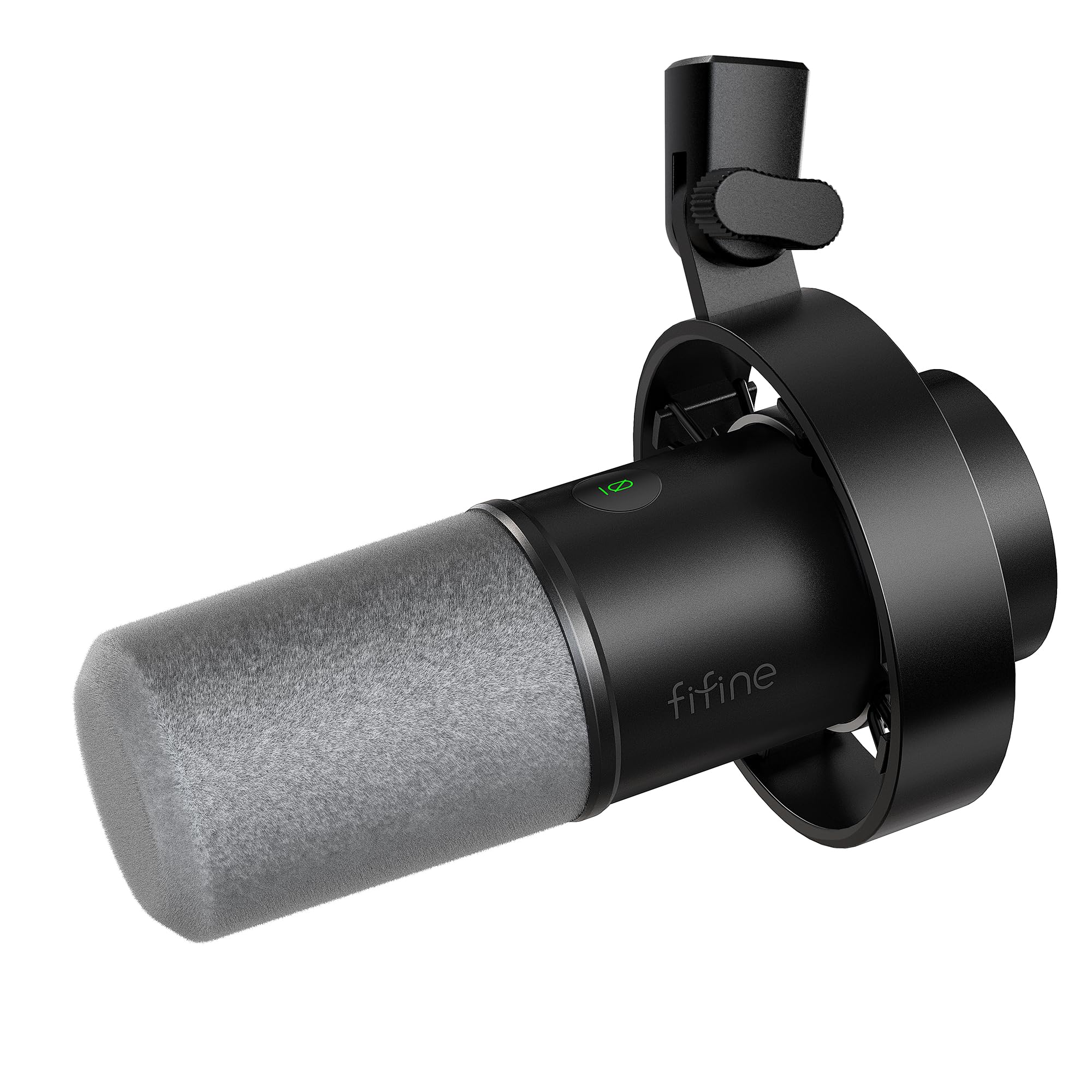
- USB and XLR connectivity support computer and audio-interface setups.
- USB mode provides mute, gain and headphone monitoring controls.
- A shock mount and windscreen are included.
Best For: Callers who want USB/XLR connectivity and headphone monitoring in a compact mic setup.
FIFINE T669 USB Condenser Microphone Kit
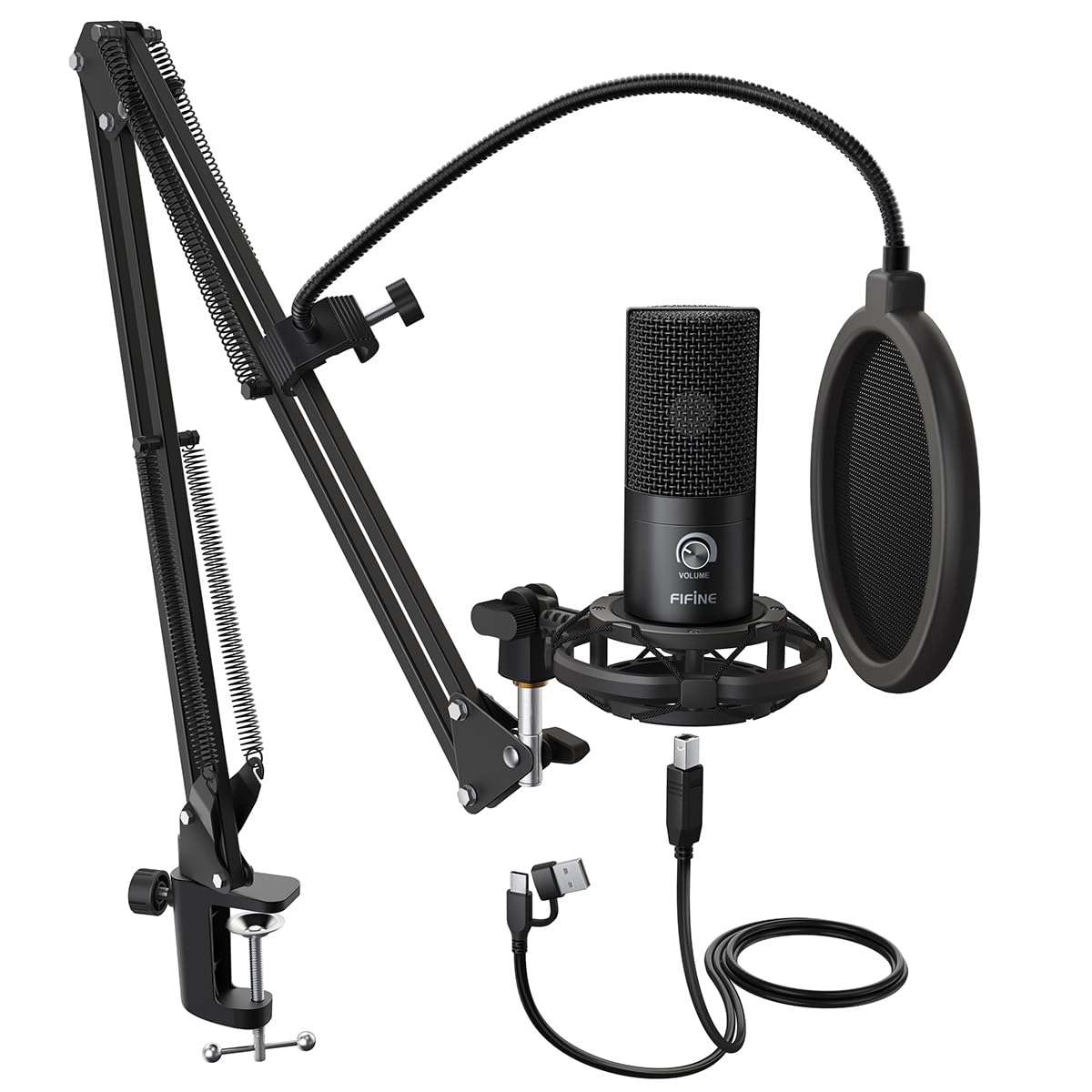
- USB plug and play connects to a PC or laptop.
- The kit includes a boom arm, shock mount and double pop filter.
- The boom arm has 180° up-and-down rotation and a 30-inch reach.
Best For: Home-office callers who want an included boom arm, pop filters and a USB connection.
SteelSeries Alias USB Microphone
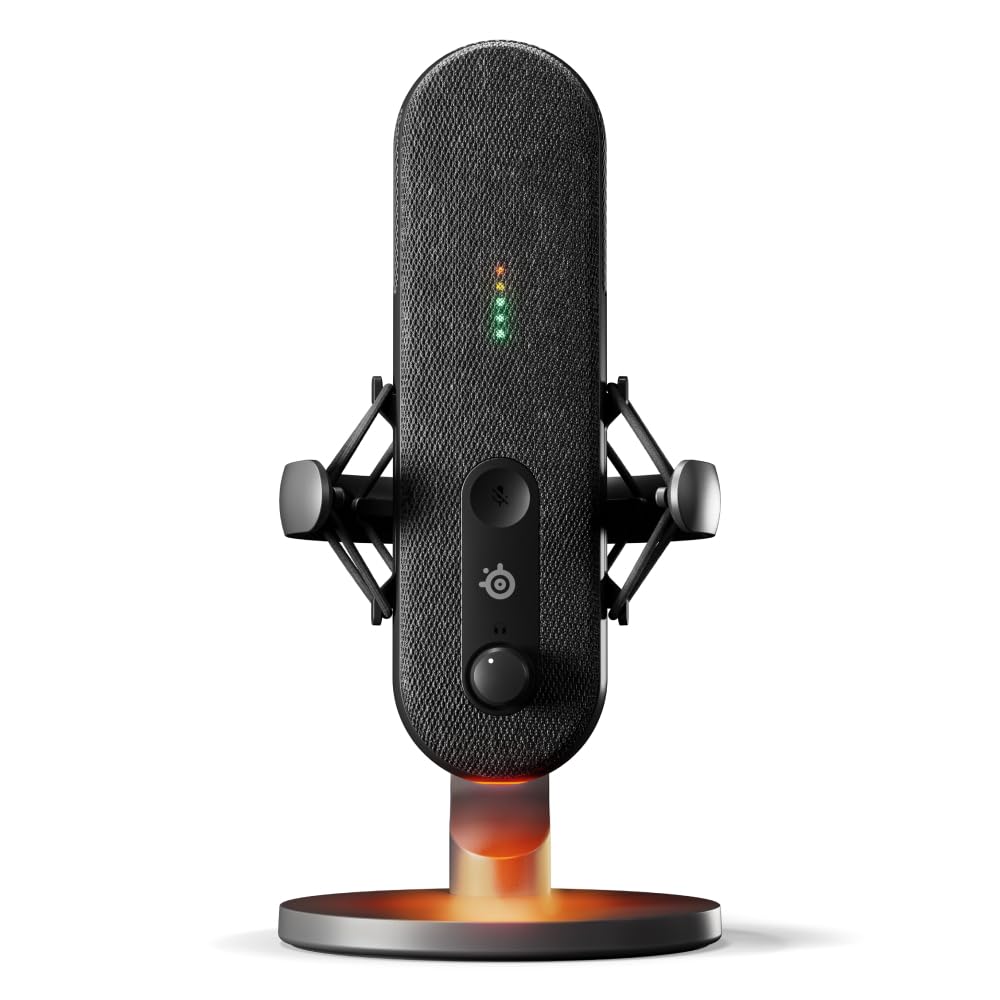
- Sonar includes mixing, app routing and AI noise cancellation.
- LED lighting shows audio levels and mute status.
- An integrated shock mount reduces unwanted vibration.
Best For: Callers who also stream and want software routing, AI noise cancellation and visible mic status.
Meeting-Ready Desktop Controls
FIFINE USB Desktop PC Microphone with Pop Filter for Computer and Mac, Studio Condenser Mic with Gain Knob Mute Button Headphone Jack for Gaming Streaming Recording YouTube, Extra USB-C Plug-K683A
The FIFINE K683A pairs a cardioid condenser capsule with controls that are useful during a video call: a gain knob, instant mute button and 3.5mm headphone jack for real-time monitoring. Its USB connection is plug and play with Windows, Mac and PS4, and the included USB-A/C cable gives flexibility for compatible computers.
A foldable tripod keeps it on the desk, while the detachable pop filter helps reduce plosive sounds. It is a straightforward option for a fixed workstation, though its USB connection does not offer an XLR upgrade path.
Best For: People who want a desk microphone with an easy mute button and headphone monitoring for meetings.
| Pros | Cons |
|---|---|
|
|
Choose the K683A if your main priority is uncomplicated meeting control at a desk. Its gain knob, instant mute and headphone monitoring cover common call adjustments, and the tripod is easier to place than a desk-clamped arm.
Check that your computer has a USB-A or USB-C port and that you can position the mic with its logo side facing you. The cardioid pickup is directional, so it suits one person speaking toward the mic better than a group gathered around the desk.
Software-Tuned Voice Control
MAONO Dynamic Microphone, USB/XLR Podcast PC Microphone with Software, EQ,Tap-to-Mute, Headphone Jack, Gain Knob & Volume Control, Studio Mic for Broadcast, Recording, Streaming & Gaming (PD400X)
The MAONO PD400X is a dynamic USB/XLR microphone with a cardioid pattern, giving it a voice-focused setup for a desk used in an imperfect room. USB provides plug-and-play computer connection, while XLR can connect to an interface, mixer or portable PA system.
Its three-in-one digital knob adjusts mic gain, headphone volume and monitor mix, and a touch mute key has an LED indicator. MAONO Link adds EQ, limiter and compressor adjustments in USB advanced mode.
For video calls, these controls are useful, but buyers should account for the fact that the product record does not identify a stand or arm in the package.
Best For: Callers who want USB simplicity now and audio adjustment options for later recording.
| Pros | Cons |
|---|---|
|
|
Pick the PD400X if you want one microphone to cover calls and more involved home recording. USB keeps the meeting setup simple, while XLR and MAONO Link offer room to add gear or tune sound later.
The tradeoff is that its more extensive controls may be unnecessary for basic calls, and its included mounting arrangement is not established here. Before buying, check what stand or arm you need and whether your preferred adjustments are available in the USB connection mode.
Windows Noise-Cancellation Option
MAONO USB Gaming Microphone for PC, Noise Cancellation Condenser Mic with RGB, Mute, Gain, Computer Desk Mic for Streaming, Podcast, Chat, Twitch, YouTube, Discord, PS5, PS4, GamerWave DGM20 Black
The MAONO DGM20 combines a cardioid condenser microphone with one-key noise cancellation and plug-and-play USB setup. Its adjustable noise-cancellation software is for Windows, so check your operating system if that feature matters to your calls.
A one-click mute, gain knob and 3.5 mm headphone monitoring jack provide hands-on audio controls. The included 2-in-1 USB and USB-C cable supports connection to PCs, laptops, Macs, PS5 and most devices with USB or USB-C interfaces.
It also has configurable RGB lighting.
Best For: Windows callers seeking a desktop USB mic with a dedicated noise-cancellation function.
| Pros | Cons |
|---|---|
|
|
The DGM20 fits callers who want a desktop mic with direct controls and are specifically interested in its Windows noise-cancellation software. The mute button and gain knob help with quick adjustments, while the headphone jack supports real-time monitoring.
Its software advantage is limited to Windows, so confirm your operating system before relying on it. The record does not establish a stand style, so check how it will sit on your desk and whether the included arrangement fits your workspace.
Broadcast Controls for USB or XLR
SAMSON Q9U XLR/USB Dynamic Broadcast Microphone
The Samson Q9U is a dynamic broadcast microphone that supports USB-C and XLR, so it can serve a simple computer setup or connect to a mixer or audio interface. Its cardioid pattern is designed to keep the voice front and center while minimizing ambient pickup.
USB recording supports 24-bit/96kHz audio without driver downloads, and zero-latency headphone monitoring plus an onboard mute switch add practical call controls. An internal pneumatic shock mount and dual-layer windscreen address mechanical noise and plosives.
It is a larger broadcast-style choice than a compact desktop mic, and its stand or mounting needs should be checked before purchase.
Best For: Frequent callers who want a broadcast-style dynamic mic with both USB-C and XLR connections.
| Pros | Cons |
|---|---|
|
|
Choose the Q9U if you value a dynamic broadcast format and want both computer USB-C and XLR connections available. For calls, the mute switch and zero-latency monitoring are useful, while the cardioid pattern suits a speaker positioned in front of the mic.
It is more adaptable to audio gear than a USB-only desktop model, but check mounting requirements and available desk space before buying. The supplied details do not identify an included stand or arm.
Foldable Travel Desk Mic
Samson Meteor Mic USB Condenser Podcasting Podcast Recording Desktop Microphone
The Samson Meteor Mic uses a 1-inch studio-quality capsule in a compact desktop design with fold-back legs. The legs fold for transport and provide positioning when open, making it a practical choice for moving between workspaces.
Its cardioid pickup pattern captures sound in front of the mic while minimizing ambient sound, and the 1/8-inch stereo headphone output has level control for zero-latency monitoring. The mic connects over USB and also works with an iPad using Apple's Lightning USB Camera Adapter or Camera Connection Kit.
Check which adapter your setup requires, as those accessories are not specified as included.
Best For: People who want a portable USB condenser microphone with built-in headphone monitoring.
| Pros | Cons |
|---|---|
|
|
The Meteor Mic is a sensible fit if you move between desks and want a microphone that folds into a more portable shape. Its cardioid pickup and headphone monitoring suit single-speaker calls, while the 1-inch capsule also supports recording uses.
Its connection details for iPad depend on an adapter, so check your device port and accessory needs before buying. The fold-back legs provide a desktop base; consider whether you need an adjustable arm for a call setup where desk space is limited.
Close-Range Dynamic USB Calls
FIFINE USB Gaming Microphone, RGB Dynamic Mic with Tap-to-Mute & Headphone Jack, Plug & Play Cardioid Mic for PC PS4/5, Streaming Podcast Twitch YouTube Discord - for Gamers and Youtubers - K658
The FIFINE K658 is a USB dynamic microphone with a cardioid pattern, intended for close-range voice capture. Its notes recommend a recording distance of 2 to 4 inches, so it suits a user who can keep the mic near their mouth during meetings.
A top-mounted tap-to-mute control, LED status indicator and gain knob make call adjustments direct, while the 3.5mm jack allows real-time headphone monitoring. Its shock mount and foam windscreen help address desk vibration and plosive sounds.
A mic stand is not included, so check whether you already have a compatible support arrangement.
Best For: Callers who can speak close to the microphone and want mute, gain and headphone controls.
| Pros | Cons |
|---|---|
|
|
Choose the K658 if you can keep a mic close and want a dynamic USB model with easy mute and monitoring controls. The recommended 2 to 4 inch distance is a meaningful fit check for video calls: it may be awkward if you prefer to sit back from the desk.
It includes a shock mount, but not a stand, so confirm that you have a suitable support and adapter arrangement. USB plug and play makes it useful for callers who do not need an XLR connection.
Boom Arm with USB/XLR Flexibility
FIFINE XLR/USB Gaming Microphone Set, Dynamic PC Mic for Streaming Podcasting, Computer RGB Mic Kit with Boom Arm Stand, Mute Button, Headphones Jack, for Recording Vocal Voice-Over-AmpliGame AM8T
The FIFINE AM8T is a dynamic microphone kit with USB and XLR connectivity, plus a boom arm for positioning near the speaker. In USB mode it is plug and play on PC, and the mic also has a mute button, gain knob and headphone jack for real-time monitoring.
Its cardioid pattern and -50dB sensitivity are intended to limit background pickup, while the included windscreen helps filter plosive sounds. The arm clamps to desks under 2 inches thick.
The key tradeoff is that the XLR cable is not included, so using that connection requires a separate cable; check desk thickness and clearance as well.
Best For: Callers who want to move the mic off the desk and retain a future XLR connection option.
| Pros | Cons |
|---|---|
|
|
The AM8T is a strong fit for a call setup where you want the mic close to your voice but clear of the desk surface. USB handles routine computer calls, while XLR offers a route to an interface or mixer later.
Before choosing it, measure the desk edge and consider the arm's position relative to monitor and keyboard; the clamp is for desktops under 2 inches thick. Add an XLR cable if you plan to use that connection.
Dynamic Mic for Close Voice Pickup
FIFINE Dynamic Microphone, XLR/USB Podcast Recording PC Microphone for Vocal Voice-Over Streaming, Studio Metal Mic with Mute, Headphone Jack, Monitoring Volume Control, Windscreen-Amplitank K688
The FIFINE AmpliTank K688 is a dynamic microphone with USB and XLR connections, a cardioid pattern and a windscreen. Its notes recommend keeping it close to the sound source, making microphone placement an important part of a video-call setup.
USB connects directly to a computer with the included 8.2-foot cable, and the front mute, gain control and headphone volume adjustment are available over USB. A shock mount helps reduce low-frequency desk vibration.
Neither a stand nor a boom arm is included, so check the support hardware and desk placement before buying; XLR cable is also separate.
Best For: Callers who want USB/XLR connectivity and headphone monitoring in a compact mic setup.
| Pros | Cons |
|---|---|
|
|
Consider this K688 if you want a dynamic USB mic for calls and the option to use XLR audio equipment later. USB mode puts mute, gain and monitoring within reach, but the mic is most appropriate when positioned close to the speaker.
The included shock mount addresses vibration, but you will need to supply a stand or arm and an XLR cable if needed. Check that the close placement works with your camera framing and the way you sit during calls.
Full Boom Arm Meeting Kit
FIFINE Studio Condenser USB Microphone Computer PC Microphone Kit with Adjustable Boom Arm Stand Shock Mount for Instruments Voice Overs Recording Podcasting YouTube Vocal Gaming Streaming-T669
The FIFINE T669 is a USB condenser microphone kit that includes a boom arm, shock mount and double pop filter. Its cardioid capsule captures from the front and is intended to avoid ambient noise, making placement and speaking direction important for calls.
The USB connection is plug and play for PC and laptop, and the included 8.2-foot cable gives some flexibility around a desk. The arm can be adjusted to bring the mic toward the speaker or move it out of the way.
It does not support Xbox, and the kit's larger arm setup needs a suitable desk edge and room for mounting.
Best For: Home-office callers who want an included boom arm, pop filters and a USB connection.
| Pros | Cons |
|---|---|
|
|
Pick the T669 if you want a complete boom-arm setup for a home office and expect to move the mic in and out of your call position. The USB connection keeps computer use simple, while the cardioid capsule is suited to a single speaker facing the mic.
The arm and filter package takes more desk space than a compact desktop unit, so check your mounting edge and monitor clearance. This is a useful call-and-recording kit, though its Xbox incompatibility matters if you also intend to use that console.
Software-Assisted USB Streaming Mic
SteelSeries Alias USB Mic for PC — 3x Bigger Capsule for Gaming, Streaming and Podcasting — Sonar for Streamers Audio Software — AI Noise Cancelling — LED Mute & Level Monitoring — Shock Mount
The SteelSeries Alias is a cardioid USB microphone with Sonar software for mixing, app routing and AI noise cancellation. Its LED shows audio levels and mute status at a glance, which can be helpful when switching between meetings and streaming.
The integrated shock mount is designed to reduce unwanted vibration, and the mic works with an included desktop stand or a separately sold boom arm. Its large capsule and gaming-oriented extras make it more feature-rich than a basic meeting mic.
Check that you are comfortable using its software and whether the included stand puts the mic at a suitable distance for your camera and speaking position.
Best For: Callers who also stream and want software routing, AI noise cancellation and visible mic status.
| Pros | Cons |
|---|---|
|
|
Choose the Alias if your calls are part of a streaming setup and you can use the added software controls. Sonar offers mixing, routing and AI noise cancellation, while the mic itself makes mute and level status visible.
The included desktop stand is a simpler route to placement; a boom arm requires a separate purchase. For ordinary meetings, those software features may add setup complexity, so consider whether app routing and streaming controls are useful in your day-to-day calls.
How to Choose Microphones For Video Calls
How We Picked Microphones for Video Calls
We prioritized features that translate into useful meeting behavior: a direct USB connection, a mute control, headphone monitoring, and a pickup pattern suited to a person speaking in front of a desk mic. The selected models cover several workspaces, from the compact foldable Samson Meteor to boom-arm kits such as the FIFINE T669 and AM8T.
A few picks also support USB/XLR connections or software controls, which can make sense when the same microphone serves calls, streaming or recording. We kept those options when their connection, monitoring or placement details offered a distinct setup.
Similar gaming-focused and color-variant models were left out so the roundup focuses on different working arrangements.
Comparing Microphones for Video Calls
For a simple computer desk, the FIFINE K683A, MAONO DGM20 and Samson Meteor provide USB connections and desktop placement. Their controls differ: the K683A has a gain knob and instant mute, the DGM20 adds Windows-only noise-cancellation software, and the Meteor folds for easier transport.
A boom arm can bring a mic closer while keeping it off the desk. The T669 includes a long-reach arm and double pop filter, while the AM8T combines an arm with dynamic USB/XLR connectivity.
The standalone K688 also offers USB/XLR, but needs separate mounting hardware. The Q9U provides USB-C and XLR, with onboard mute and monitoring; the Alias adds software routing and a visible level display.
| Product | Standout features | Best for |
|---|---|---|
| FIFINE K683A USB Desktop MicrophoneCheck Price |
| People who want a desk microphone with an easy mute button and headphone monitoring for meetings. |
| MAONO PD400X Dynamic MicrophoneCheck Price |
| Callers who want USB simplicity now and audio adjustment options for later recording. |
| MAONO DGM20 USB Gaming MicrophoneCheck Price |
| Windows callers seeking a desktop USB mic with a dedicated noise-cancellation function. |
| Samson Q9U Broadcast MicrophoneCheck Price |
| Frequent callers who want a broadcast-style dynamic mic with both USB-C and XLR connections. |
| Samson Meteor MicCheck Price |
| People who want a portable USB condenser microphone with built-in headphone monitoring. |
| FIFINE K658 USB Dynamic MicrophoneCheck Price |
| Callers who can speak close to the microphone and want mute, gain and headphone controls. |
| FIFINE AmpliGame AM8TCheck Price |
| Callers who want to move the mic off the desk and retain a future XLR connection option. |
| FIFINE AmpliTank K688Check Price |
| Callers who want USB/XLR connectivity and headphone monitoring in a compact mic setup. |
| FIFINE T669 USB Condenser Microphone KitCheck Price |
| Home-office callers who want an included boom arm, pop filters and a USB connection. |
| SteelSeries Alias USB MicrophoneCheck Price |
| Callers who also stream and want software routing, AI noise cancellation and visible mic status. |
Choosing a Desk Microphone for Meetings
USB plug and play is convenient when the microphone will connect directly to a laptop or desktop. Check the connection your computer accepts: several models provide USB-A/C cables, while the Samson Q9U uses USB-C.
For an XLR setup, expect to connect to additional audio gear, and check whether an XLR cable is included. The FIFINE AM8T and T669 provide boom arms, while the K688 does not include a stand or arm.
A cardioid pattern is intended to favor sound from in front of the mic. That makes speaker position important: orient the front toward you and keep a consistent distance.
Some products specify close placement, such as the K658's 2 to 4 inch recommendation, while the K688 notes close recording without giving a distance. Use those details to decide whether a mic fits your posture and camera framing.
Mute, Monitoring and Background Noise
An on-mic mute button can be quicker than finding a software control during a meeting. The K683A, Q9U and AM8T all provide direct mute controls, and the SteelSeries Alias shows mute status with LED lighting.
Headphone monitoring is useful for checking input levels or hearing yourself; it appears on the K683A, DGM20, Q9U and several USB/XLR options.
Microphone pickup patterns and included accessories can help manage the call setup, but placement still matters. A cardioid mic should face the speaker, and dynamic models such as the K658 and AM8T suit close voice placement.
Pop filters and windscreens on the T669, Q9U and K688 address plosives, while shock mounts on the K688 and Alias help reduce desk vibration.
Who Should Buy Which Video-Call Microphone?
For a straightforward desk setup with mute and headphone monitoring, consider the FIFINE K683A. Choose the Samson Meteor if portability and foldable legs matter, or the MAONO DGM20 if you use Windows and want its noise-cancellation software.
Pick the T669 for an included boom arm and pop filters, or the AM8T if you want an arm plus USB/XLR flexibility. The Samson Q9U is a broadcast-style option with USB-C and XLR; the Alias makes more sense when Sonar software and streaming controls are part of your work.
If you choose the K688, plan for a separate stand or arm and keep the mic close to your voice.